Long before coffee became the world’s morning fuel, a leaf fell into a Chinese emperor’s boiling water, and tea was born. That’s the legend of Shennong, the mythical ruler and herbalist who, around 2737 BC, accidentally discovered the invigorating brew. Whether myth or truth, it captures the essence of tea in Chinese life, part medicine, part meditation, and entirely woven into daily existence. For foreign visitors, understanding tea is understanding a fundamental layer of Chinese culture. And nowhere is that culture more vibrant, accessible, and delicious than in South China.
A Sip of History: The Roots of Chinese Tea
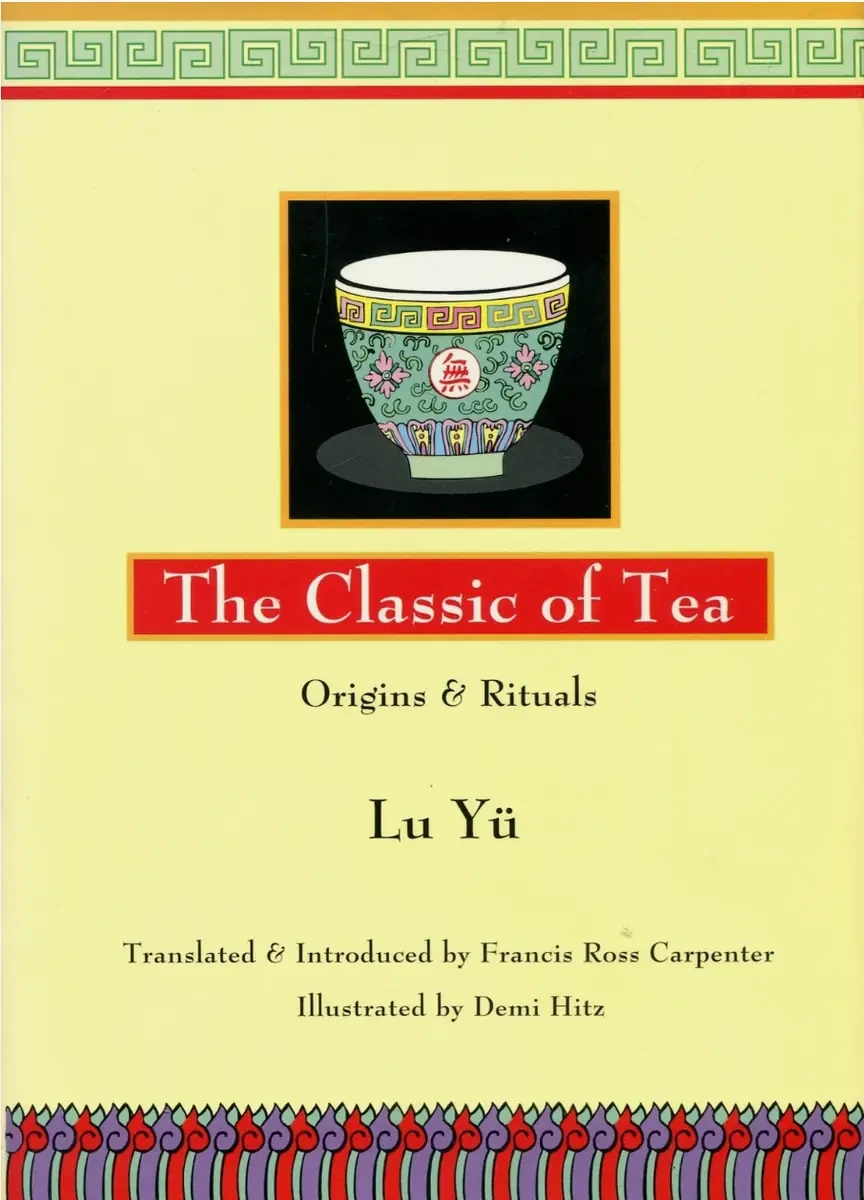
The book, The Classic of Tea, written by Lu Yu
Tea drinking evolved from a medicinal herb in ancient China to a refined art during the Tang Dynasty (618–907 AD), when Lu Yu wrote The Classic of Tea, the world’s first comprehensive book on the subject. The practice spread along trade routes, influencing Japan’s tea ceremony and eventually reaching Europe. Over centuries, China developed six major tea categories: green, white, yellow, oolong, black, and dark (fermented) teas, each with distinct processing methods, flavors, and regional identities. Tea became a medium for philosophy, hospitality, and quiet contemplation.
Wellness in a Cup: How the Modern Health Boom is Reshaping Tea
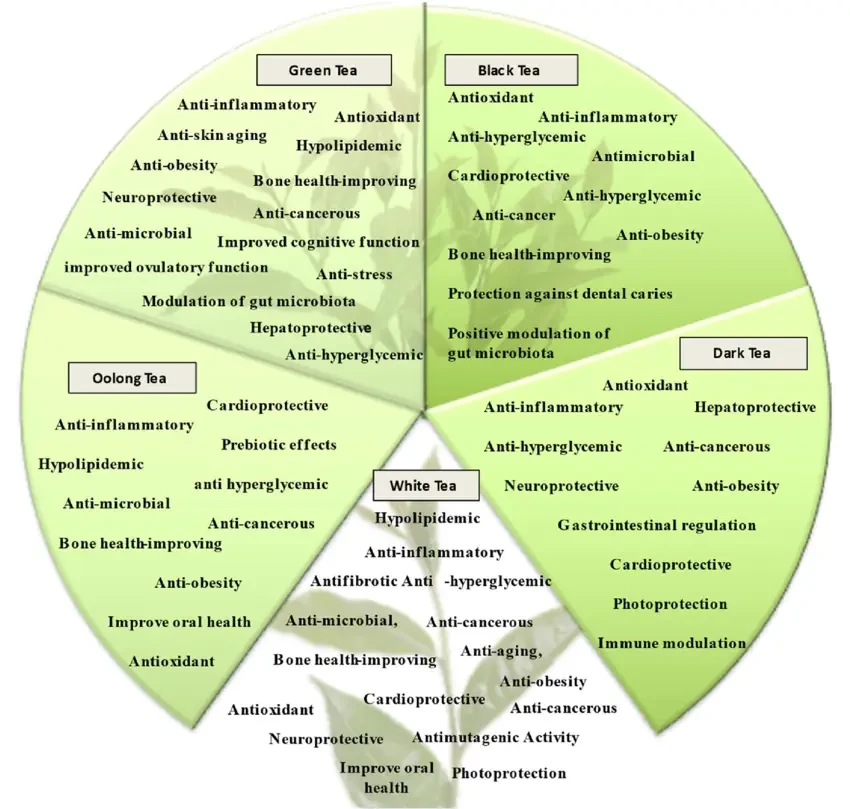
Therapeutic effects associated with different types of tea (Source: Health benefits of different types of tea: a review)
Today, tea is experiencing a renaissance, driven by a global shift toward health-conscious living. Antioxidant-rich green tea is celebrated for its polyphenols that fight inflammation. Oolong teas are embraced by those seeking metabolism support. Fermented pu’er tea has gained a cult following for digestive health. In China, young urbanites are increasingly swapping sugary sodas and bubble tea for pure, traditional brews, raw gancao (licorice root) infusions, aged white tea, and cold-brewed jasmine green. The ancient concept of tea as preventive medicine is resonating with modern science, creating a bridge between the old apothecary and the new wellness movement. Even the popular “stove-boiled tea” trend, where friends gather around a small charcoal stove to roast tea leaves and chatter, blends nostalgia with a comforting, low-alcohol social ritual. This is the cultural context waiting for you when you explore South China’s tea scenes.
Morning Harmony: Yum Cha and Cantonese Morning Tea Culture
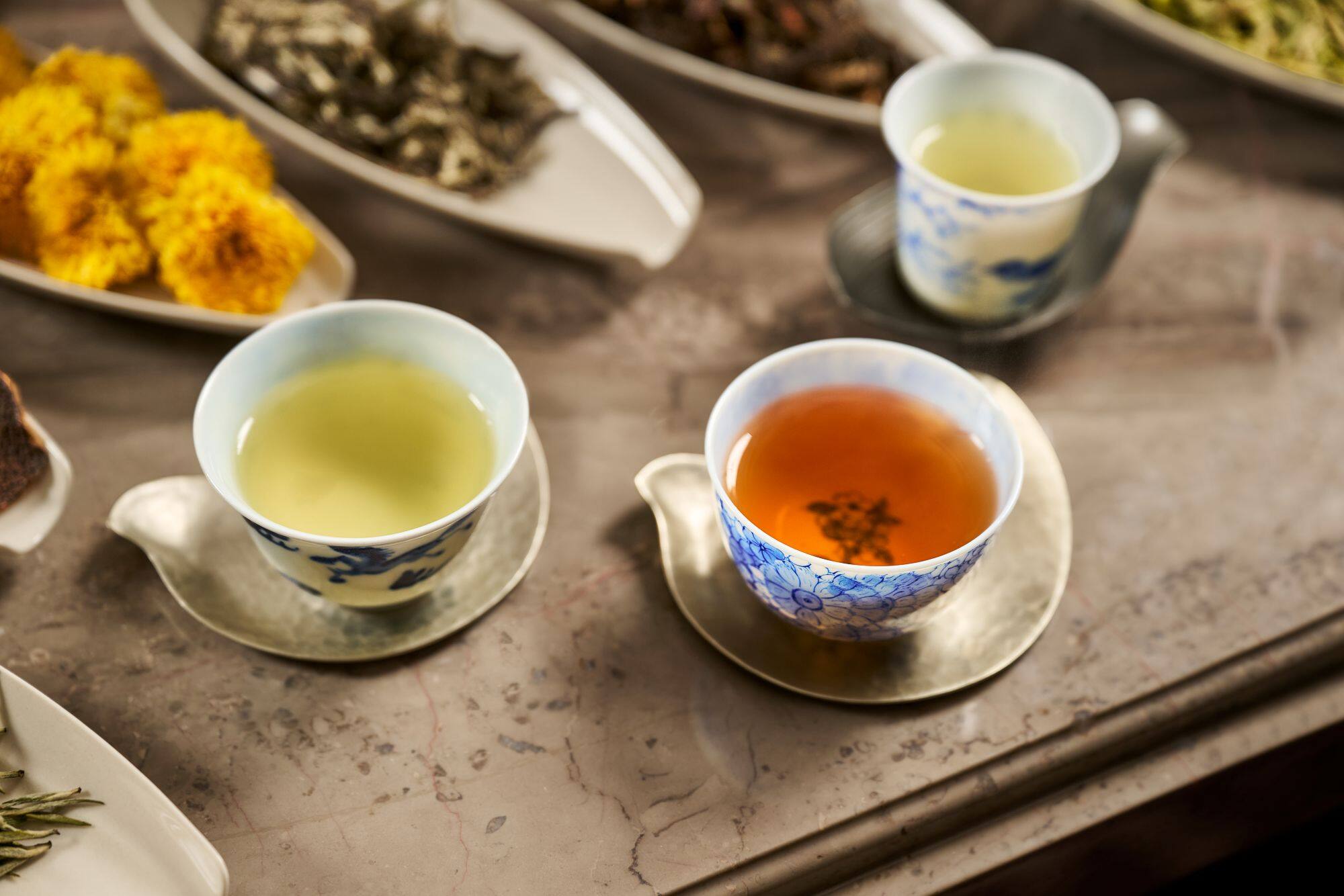
A quiet yumcha moment: contrasting tea hues, classic blue-and-white gaiwans, and an array of floral, white, and aged teas laid out for slow sipping
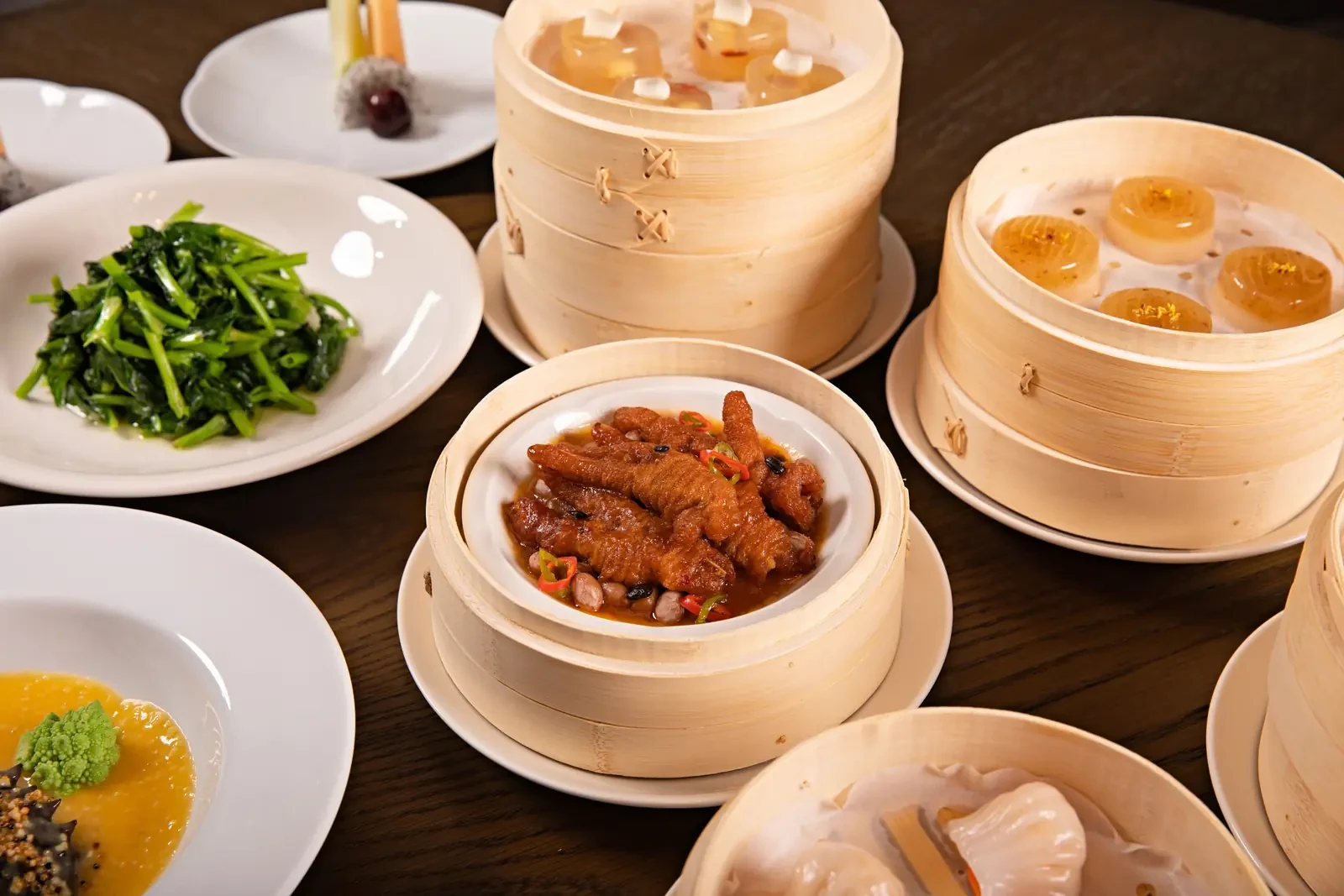
If you want to touch the everyday soul of Guangdong and Hong Kong, go for yum cha, literally “drink tea.” Cantonese morning tea is not just about the beverage; it is a full social experience centered around dim sum. The ritual began with tired travelers along the Silk Road needing rest and refreshment, evolving into teahouses where merchants gathered. Today, families and friends occupy large round tables in bustling halls, pouring pu’er, jasmine, or tieguanyin while bamboo steamers of har gow (shrimp dumplings), siu mai, and custard buns circulate on trolleys. Tapping two fingers on the table to thank the pourer, refilling others’ cups before your own, letting conversation flow between sips, it’s a code of community and connection. In Guangzhou’s old districts, century-old tea houses still operate, their air thick with the fragrance of brewing leaves and the hum of Cantonese banter. And across the Pearl River Delta, you’ll find this tradition as alive at 7 a.m. as it is at noon on a lazy Sunday.
The Art of Precision: Chaoshan Gongfu Cha
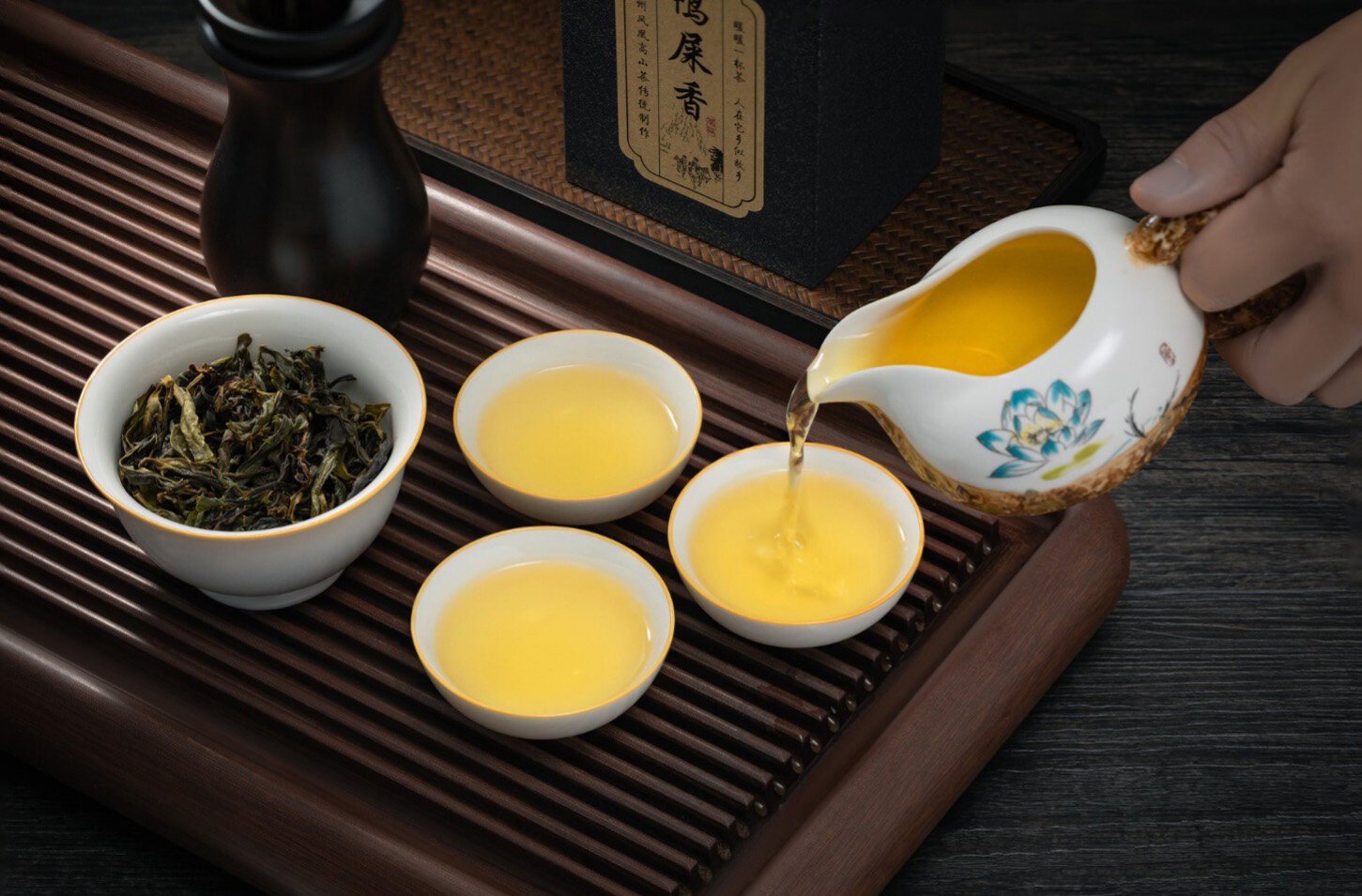
The ritual of Chaoshan gongfu tea: pouring golden Ya Shi Xiang Phoenix Dancong, a beloved treasure of Guangdong’s mountain tea culture
If Cantonese yum cha is a symphony, Chaoshan gongfu cha is chamber music, intimate, meticulous, and deeply personal. Originating from the Chaozhou-Shantou region of eastern Guangdong, this “making tea with skill” method is the pinnacle of tea craft. It uses a tiny unglazed clay teapot, often a Yixing-style pot, and thimble-sized cups to brew intense, high-mountain oolong teas, most famously Fenghuang Dancong. The process is a ritual: warming the vessels, rinsing the leaves, smelling the lid’s concentrated aroma, pouring in a continuous circular motion, and serving three cups that represent both modesty and a Chinese proverb about a single goblet shared among brothers.
To sit for gongfu cha is to enter a space of deliberate calm. Hosts in Chaoshan practice it multiple times a day, not for show, but as daily spiritual hygiene. The tea evolves through infusions, from floral and smoky to sweet and nutty. It is an invitation to slow down and savor, a perfect antidote to the fast-paced travel itinerary. In Chaozhou’s historic old town, you can step into a wooden shop front, sit beside a master, and let the world fall away, one tiny cup at a time.
Experience Tea South China with Into South China
South China’s tea culture is not something to merely read about; it’s something to taste, smell, and feel. At Into South China, we create immersive journeys that connect you with these living traditions. Picture yourself in a Guangzhou teahouse, learning the finger-tapping thank-you from a local guide while picking your favorite dim sum. Imagine a private gongfu cha ceremony in a Chaozhou courtyard, where a tea master explains the leaves’ origin from the nearby Fenghuang Mountain. We can take you further: visit a Liubao tea village in Guangxi to see the fermentation of dark tea, or wander an organic tea plantation in Hainan’s misty highlands. As a South China inbound travel expert covering Guangdong, Guangxi, Hainan, Hong Kong, and Macau, we handle all the details, including English-speaking tea interpreters, private transport, and tailored itineraries, so you can simply sit, sip, and soak in thousands of years of culture.
Come with an empty cup and an open mind. We’ll make sure you leave with a full heart, and perhaps a newfound appreciation for a leaf that changed the world.