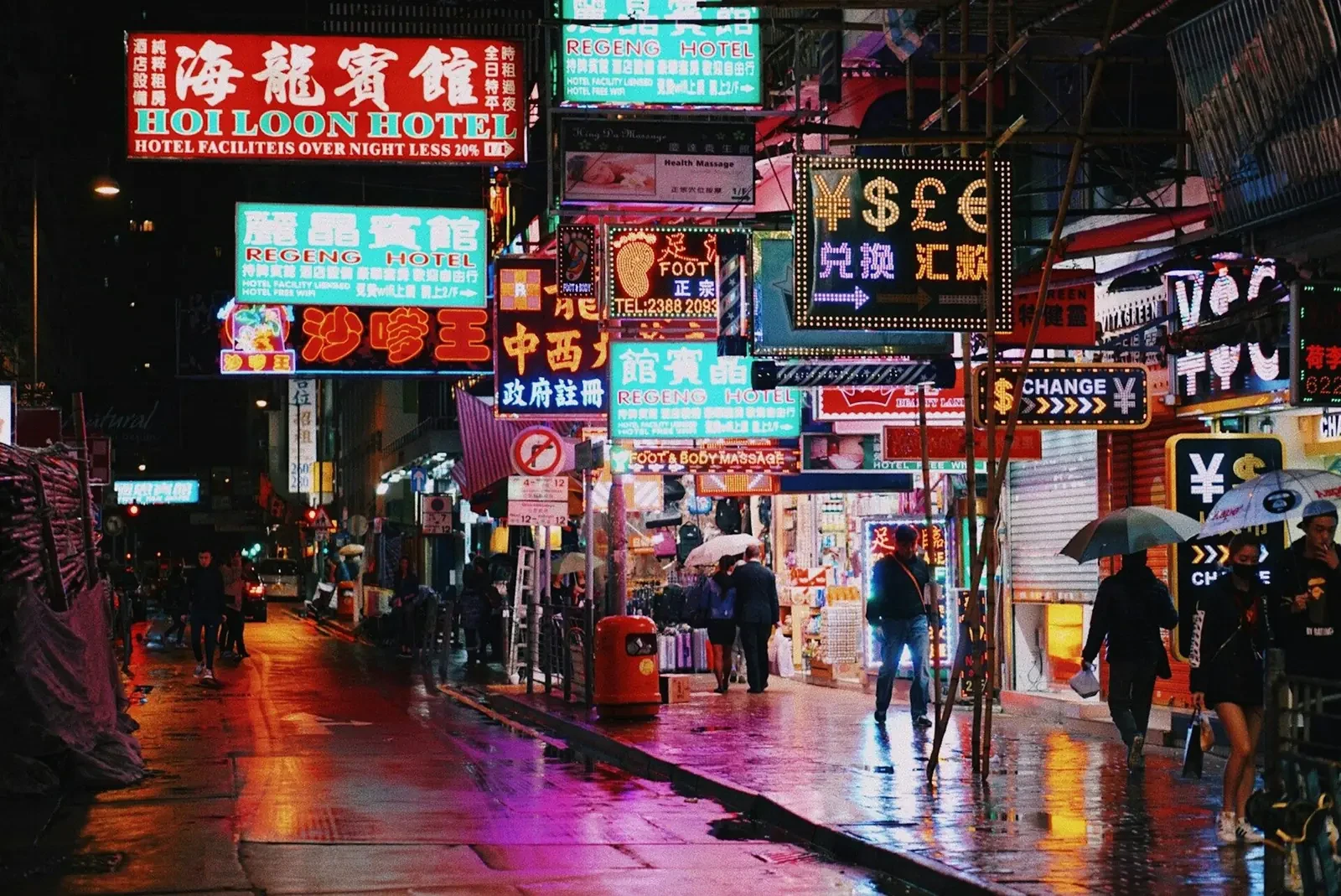
For many foreign visitors, the word “Cantonese” conjures a familiar set of images: steaming baskets of dim sum, the lilting tones of Cantonese opera, and the neon glow of Guangzhou’s Canton Tower. It’s a rich picture, but it’s also incomplete. What most travelers don’t know is that Guangdong province, the heartland of what the world calls Cantonese culture, is actually home to three major Han Chinese cultural groups: Guangfu, Hakka, and Teochew (Chaoshan). Each has its own language, cuisine, architecture, and way of life that feels like a different world. Understanding these three faces turns a simple trip into a journey across several Chinas at once.
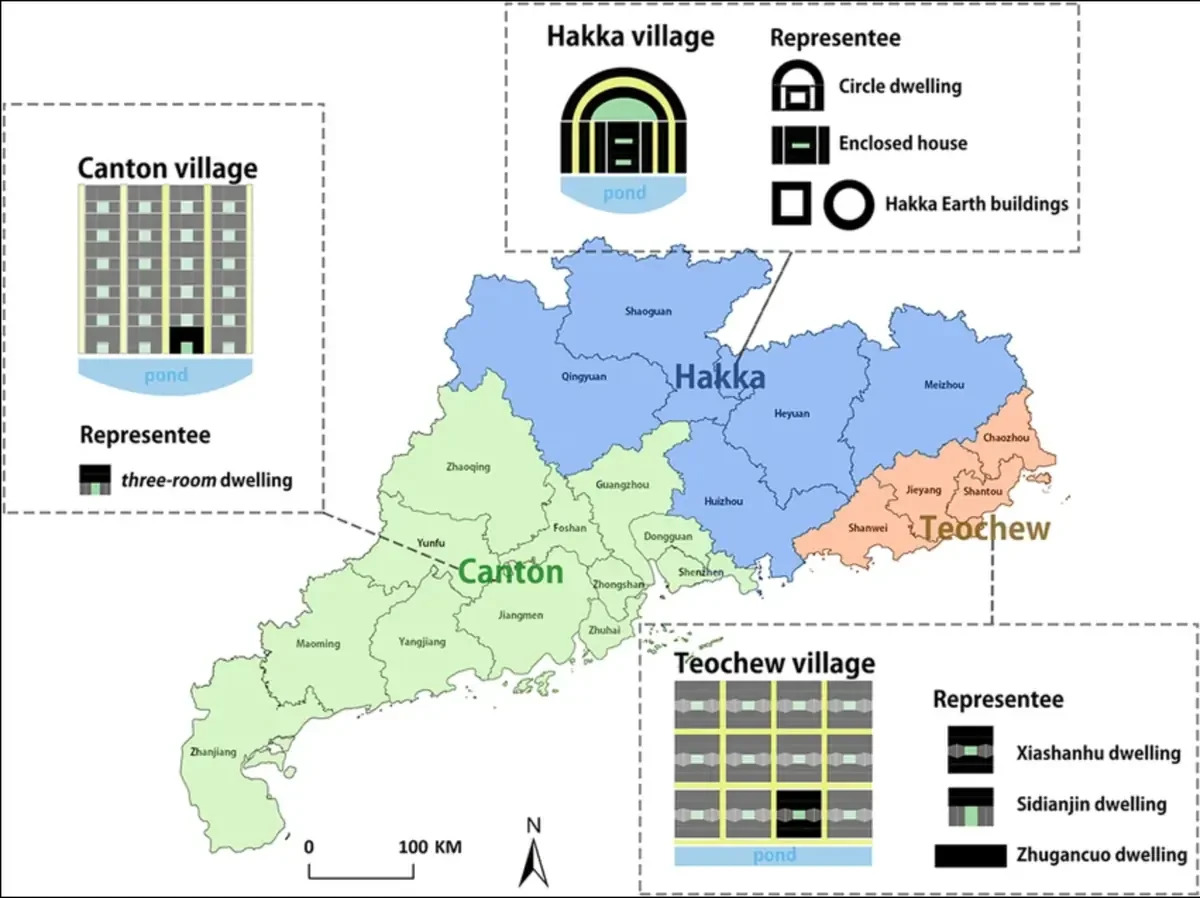
Approximate distribution of three major ethnic groups in Guangdong, China, based on conventional surveys and field studies. Three bounding boxes show their classic footprints of the building layouts and the representees according to domain knowledge.
Guangfu: The Cosmopolitan Heart of the Pearl River Delta
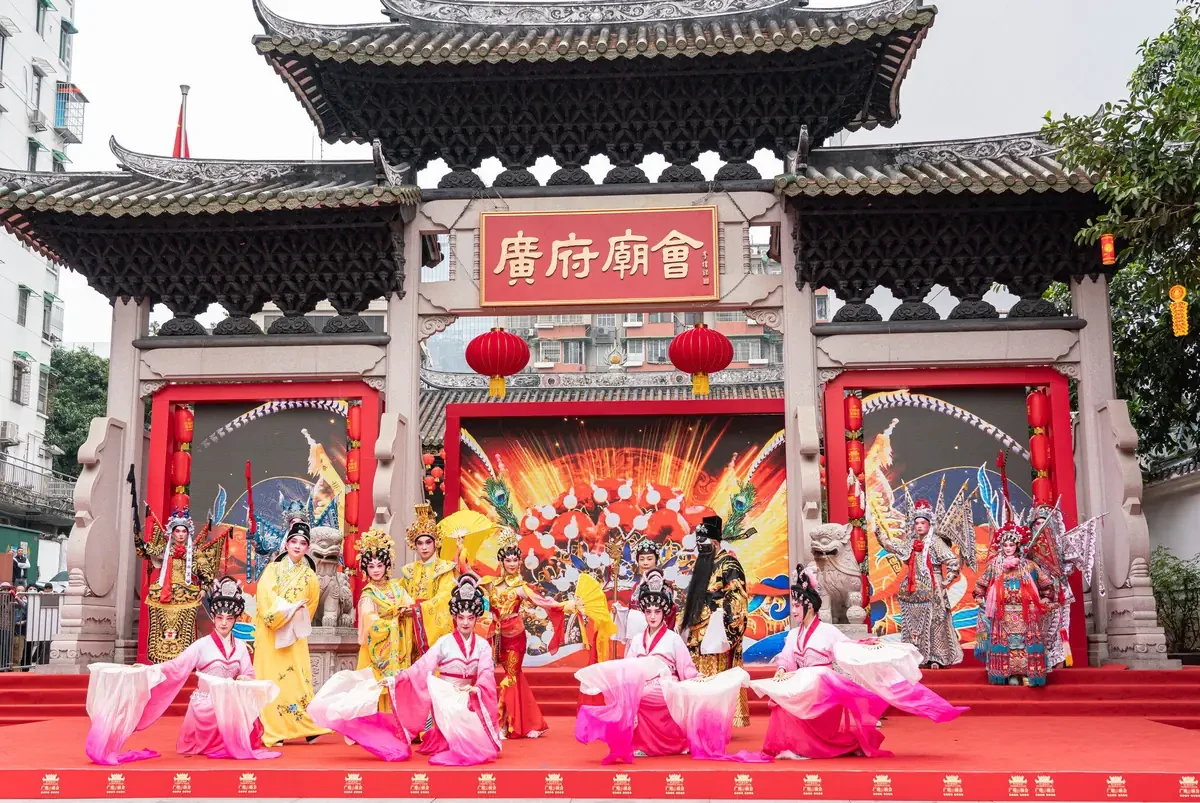
A folk performance is seen at the Guangfu Temple Fair in Guangzhou, Guangdong Province
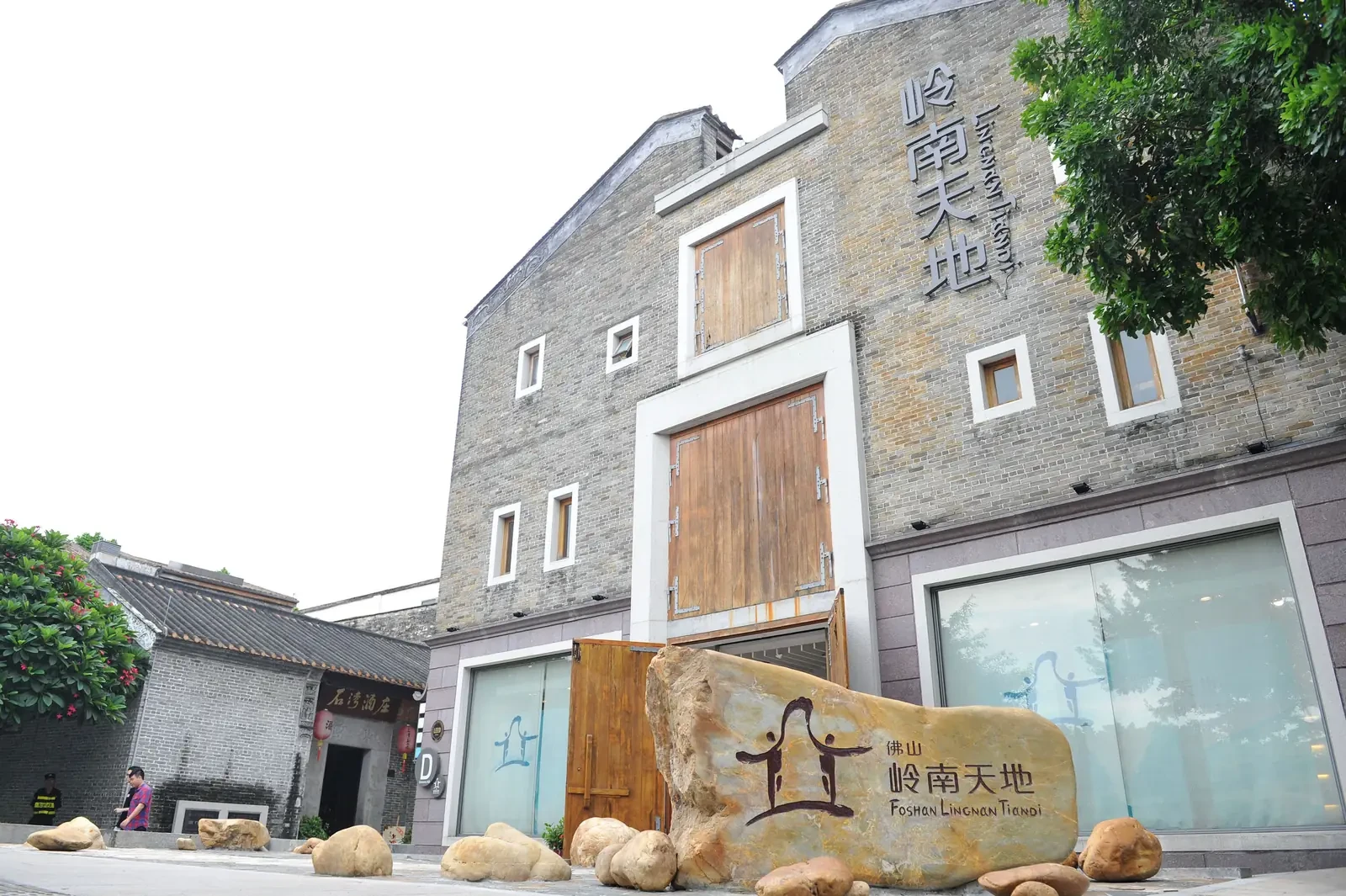
The Guangfu people are the “Cantonese” that most outsiders know. Centered on Guangzhou, Foshan, and the surrounding Pearl River Delta, their culture descends from ancient Baiyue peoples who blended with Han migrants as early as the Qin Dynasty. For over two thousand years, Guangzhou has been a major international trading port, and Guangfu culture absorbed influences from the South China Sea, Southeast Asia, and beyond, creating a confident, outward-looking urbanity.
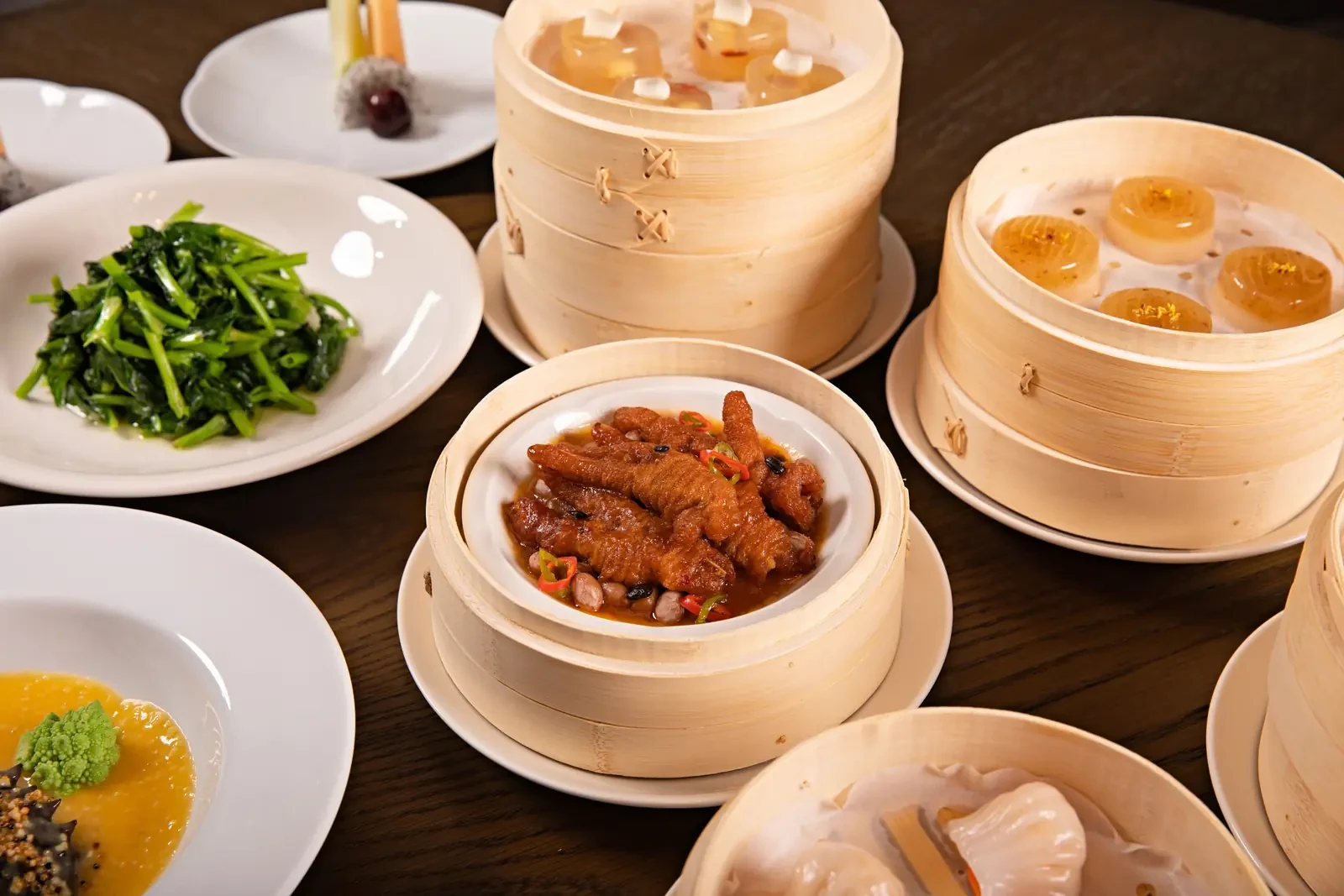
Language-wise, Guangfu people speak standard Cantonese, the prestige dialect that dominates overseas Chinatowns. Their cuisine needs little introduction: delicate dim sum, silky rice rolls, wonton noodles, and roast goose. But the cultural offerings go far beyond food. In Foshan, the ancestral temple thrums with daily Cantonese opera performances and lion dances. The city also gave birth to Wing Chun kung fu. To the south, Kaiping’s UNESCO-listed diaolou watchtowers stand as a testament to Guangfu emigrants who sent European architectural dreams back home. In Guangzhou’s old quarters, the colonnaded qilou arcades shelter shops selling herbal teas and embroidered silk fans, a living museum of a sophisticated mercantile culture that has always looked outward.
Hakka: The Mountain Strongholds of the Migrant Clan
If Guangfu culture is a delta of open rivers, Hakka culture is a fortress in the hills. The name “Hakka” literally means “guest families,” and their story is one of long migrations southward from central China, pushed by wars and upheavals over centuries. Arriving late to Guangdong’s fertile plains, they settled in the rugged, mountainous interior, which forged a culture defined by self-reliance, tight clan bonds, and a fierce desire to preserve their distinct identity.
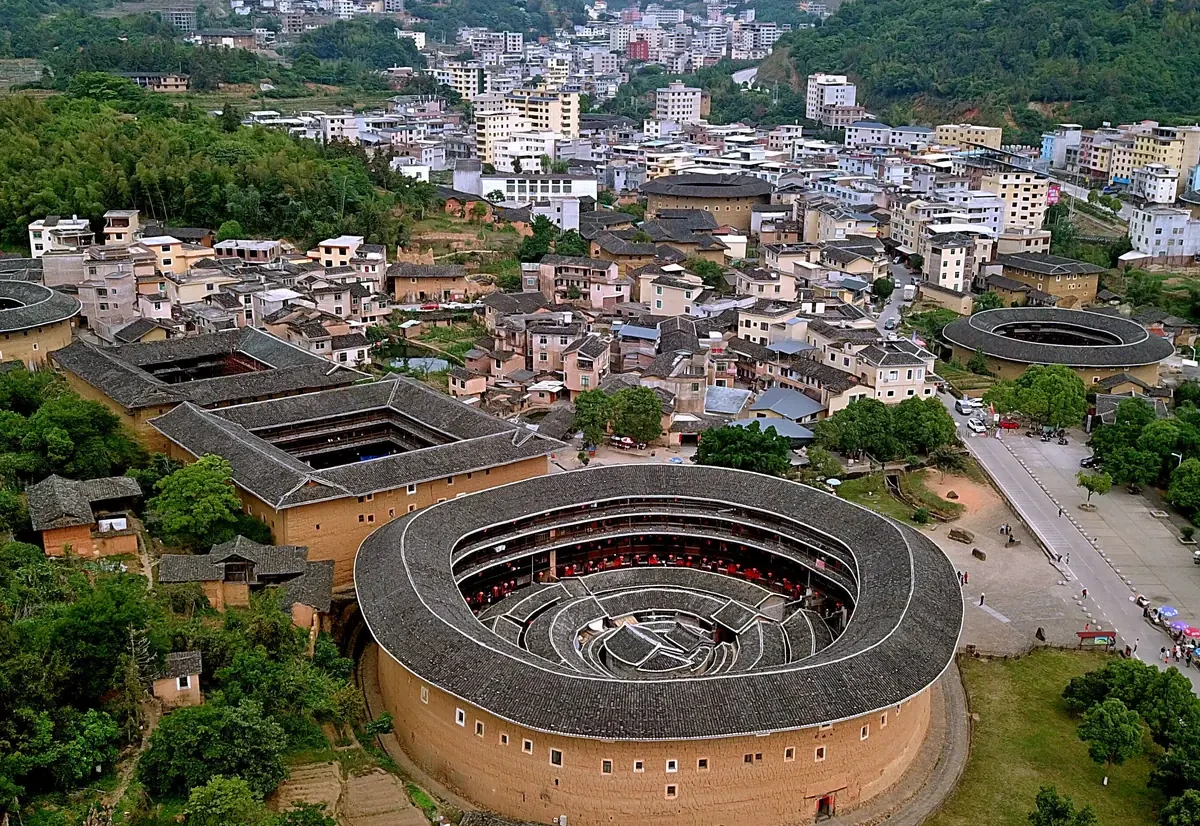
Weilongwu (Hakka walled villages), massive enclosed structures that reflect the community-focused lifestyle and defensive needs of the past
Hakka communities in Guangdong speak Hakka Chinese, a language separate from Cantonese. Their most iconic architectural marvels are the massive walled villages and enclosed communal houses. In Meizhou and Heyuan, these take the form of weilongwu (dragon houses) with crescent-shaped rear enclosures. At the same time, on the Fujian border, the round tulou earth buildings rise like ancient fortresses. Inside, multiple generations once lived under one roof, sharing a central ancestral hall. Tourism in Hakka country can feel deeply immersive: stroll through the Hakka walled villages of Shenzhen’s Longgang district, where these stone compounds hide in plain sight among skyscrapers. Taste hearty Hakka cuisine, known for salt-baked chicken, tofu stuffed with minced pork, and pungent preserved vegetables. Listen to the melancholic Hakka mountain songs that echo the longing of a people forever in search of home. In places like Meizhou, you can even visit a traditional tea-picking opera or learn to make Hakka rice wine. The Hakka experience is raw, resilient, and radically different from the polished urbanity of Guangzhou.
Teochew (Chaoshan): The Refined Rituals of the Far East
In the eastern corner of Guangdong, around the cities of Chaozhou and Shantou, lives the Teochew people, descendants of Han migrants who moved down from Fujian’s coast. Their name comes from the historical “Teochew prefecture,” and their culture is a world unto itself. Unlike the Guangfu, they speak Teochew, a branch of the Min language family that is completely unintelligible to Cantonese speakers. They are famous for an exquisite refinement that permeates everything they do.
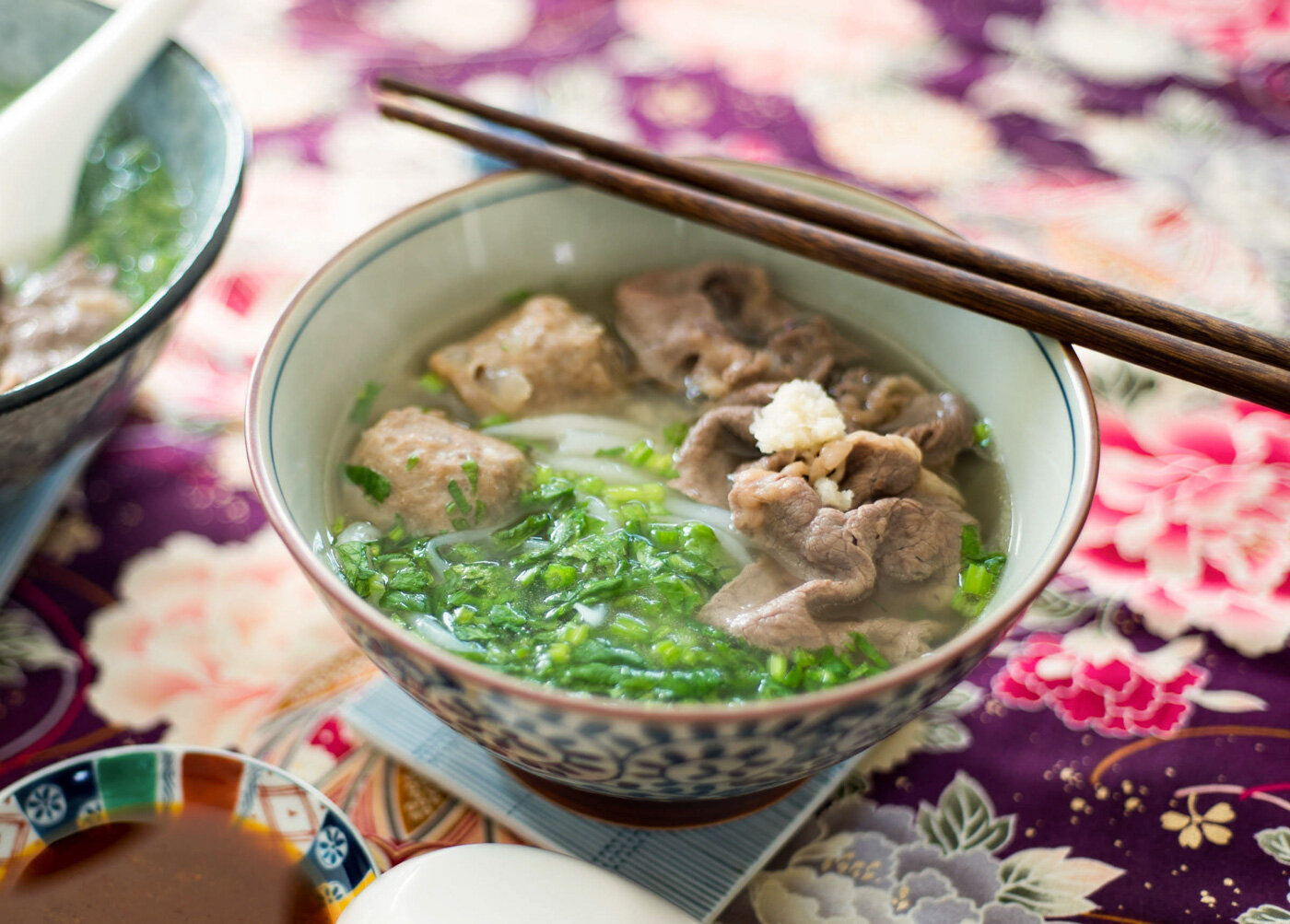
A bowl of noodles served with ghu bhah (Teochew meatballs)
The Chaoshan region’s tourism draws are extraordinary. The ancient city of Chaozhou is a living jewel, centered on the Guangji Bridge, a masterpiece of Song Dynasty engineering made of floating boats that part to let river traffic pass. The narrow lanes are filled with woodcarving workshops and porcelain studios. Here, tea isn’t just a drink; it’s a ceremony. Gongfu cha, the meticulous ritual of brewing tightly-rolled oolong tea in a tiny clay pot, is performed at every dinner table and sidewalk stall, three sips to a cup, tasting notes changing with each pour, conversation flowing as freely as the tea. Chaoshan cuisine deserves its own pilgrimage: the legendary beef hotpot, where paper-thin cuts of just-slaughtered beef are swished in clear broth; the cold crab and fish, marinated in raw garlic and soy; the endless array of sweet-and-savory snacks like png kueh (rice cakes). The Teochew diaspora shaped communities across Southeast Asia, and the region still hums with a connection to the ocean. Shantou’s old port quarter feels like a sun-bleached time capsule, while nearby Nan’ao Island offers quiet beaches and seafood barbecues. To experience Teochew culture is to witness meticulous artistry and deep hospitality.
A Richer Story Awaits
So next time you think of “Cantonese,” remember: Guangdong holds three worlds, not one. The cosmopolitan Guangfu with its dim sum and lion dances, the resilient Hakka with their mountain fortresses, and the refined Teochew with their tea rituals and seafood feasts. Each offers a completely different sensory and cultural landscape, and they all coexist within a few hours’ train ride of each other.
Into South China specializes in journeys that take you beyond the stereotypes. We design bespoke itineraries that weave together these three cultures seamlessly: a morning gongfu cha ceremony in Chaozhou, an afternoon in a Hakka walled village, and an evening of Cantonese opera in Foshan, all in one trip. With English-speaking local guides and private transport, we unlock doors that remain shut to mass tourism. Come taste three Chinas in one southern province, and let South China show you its many faces.