
Many international travelers already know Guangzhou's dim sum. Those delicate bamboo baskets of har gow, siu mai, and translucent shrimp dumplings have become global ambassadors of Cantonese cuisine. But to stop there is to miss the soul of Guangdong. Beyond the teahouses of Guangzhou lies a province of extraordinary culinary diversity, where milk is stir‑fried into silk, tangerine peels are aged for decades, and migrant communities have transformed humble ingredients into dishes of profound flavor. This is not a food tour where you simply eat. This is a journey that invites you to roll up your sleeves, step into the kitchen, and discover the soul of Guangdong through your own hands. You will shop in bustling wet markets, learn from master chefs, and prepare dishes that have sustained families for generations.
With Into South China, a specialist inbound travel agency focusing exclusively on Guangdong, Guangxi, Hainan, Hong Kong, and Macau, you will not just eat. You will cook, create, and connect. Our local experts have spent years building relationships with the communities you will visit. We open doors that would otherwise remain closed, introduce you to masters who rarely teach foreigners, and ensure that every moment of your journey is meaningful, comfortable, and unforgettable.
This is the story of four culinary worlds, Shunde (Foshan), Jiangmen, Meizhou, and Chaozhou, each with its own flavors, techniques, and stories. And this is how you will experience them.
Shunde (Foshan): Where Milk Meets Fire
Just a short train ride from Guangzhou lies Shunde, a district that UNESCO has designated a "World City of Gastronomy". Here, the philosophy is simple: take humble ingredients - milk, fish, rice - and elevate them to art. Shunde's culinary culture is so revered that locals say, "Eat in Guangzhou, but cook in Shunde."
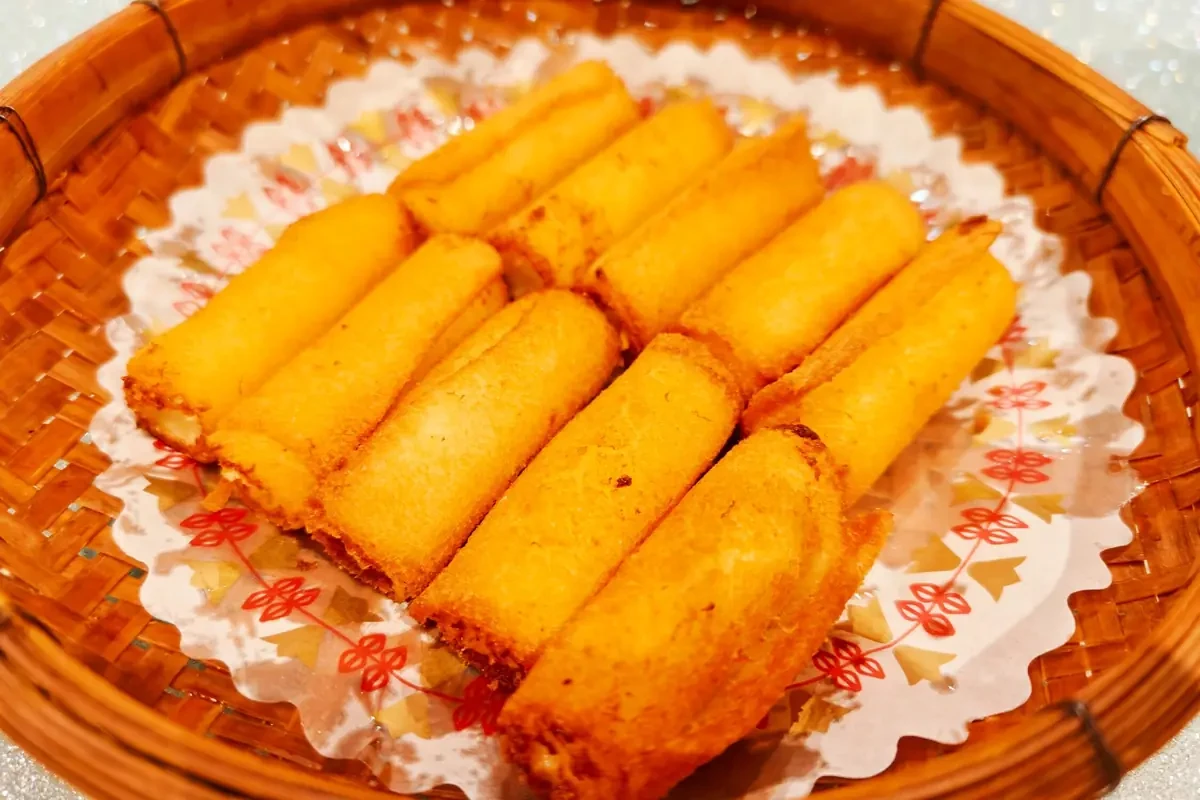
Deep-fried milk: featuring a golden, crispy outer skin and a soft milky flavor filling inside
Your journey begins not in a restaurant, but in a kitchen. Shunde has recently launched the "Savor Shunde, Learn to Cook in Shunde" campaign, offering 49 short‑term public cooking experience classes where master chefs teach classic dishes like double‑layer milk custard (双皮奶) and Shunde shredded fish soup (拆鱼羹). Under the guidance of a professional instructor, you will learn the precise wrist movements that turn fresh buffalo milk into a silky, golden custard, a technique that seems almost like magic until you master it yourself.
Beyond the kitchen, Shunde offers immersive cultural experiences. Visit the Shunde (OCT) Food Museum, where chefs demonstrate knife skills, seafood preparation, and the legendary "Fengcheng (Daliang) stir‑fry" techniques. Wander through Qinghui Garden and the nearby Jinbang Milk Cultural Street to sample local snacks like Daliang cow's milk. In the ancient village of Yang'e, you can explore the historic Mingshi Garden, taste Yang'e roast goose and turtle jelly, and enjoy the harmony of beautiful scenery and delicious food.
Leisure time: When you are not cooking, stroll through the Ancient Nanfeng Kiln, a 500‑year‑old dragon kiln that still produces ceramics using traditional methods. Watch potters at work and try shaping a simple bowl. Or visit Foshan Ancestral Temple for a breathtaking lion dance performance, the martial art that shares Shunde's philosophy of balance and control.
Jiangmen: The Aroma of Aged Treasure
Further south lies Jiangmen, the "World Capital of Overseas Chinese." This city, with its rich diaspora history, is home to one of Guangdong's most treasured ingredients: Xinhui chenpi, aged tangerine peel that has been dried and stored for years, even decades. Chenpi is to Cantonese cooking what aged Parmesan is to Italian cuisine: a concentrated burst of flavor that transforms every dish it touches.

Chenpi: normally a dried fruit peel preparation, and also a favourite medicine used in traditional Chinese medicine
At the Xinhui Chenpi Cultural and Industrial Expo Center, you will learn about the 700‑year history of chenpi cultivation and processing. But the real magic happens at places like the Changcheng Chenpi Estate or the Six Paths Chenpi Experience Hall, where you can participate in the entire journey of chenpi, from harvesting and peeling to sun‑drying and aging. In a hands‑on workshop, you will learn to hand‑stuff tea into tangerine shells to make Ganpu tea (柑普茶), a fragrant blend that has become a modern classic. As one estate owner put it, "In the estate, visitors can witness the complete 'life cycle' of chenpi".
Leisure time: Explore the Kaiping Diaolou, UNESCO‑listed fortified watchtowers built by overseas Chinese in the early 20th century. These architectural marvels, blending Chinese and Western styles, tell the story of the emigrants who brought Jiangmen's flavors to the world. Or visit the Chikan Ancient Town, a preserved riverside settlement that served as a filming location for several Chinese movies. At the end of the day, soak in a local hot spring. Jiangmen is known for its geothermal waters, the perfect way to soothe muscles after a day of cooking.
Meizhou: The Taste of a Migrant People
While Guangzhou's dim sum has conquered the world, the mountain‑ringed heart of Meizhou offers something entirely different: Hakka cuisine, a tradition born not in royal courts but on a thousand‑year migration. This is food with grit, memory, and soul, the taste of a people who carried their woks across continents.
Hakka cuisine is the taste of survival and ingenuity. As the Hakka people migrated south over centuries, they developed cooking that was salty, fragrant, and hearty-salt-preserved food for long journeys, slow cooking maximized energy, and humble ingredients were transformed into dishes of profound flavor. Unlike the refined delicacy of Shunde, Hakka cooking is the food of farmers and pioneers.
Your journey begins at the Hakka Cuisine Museum in Meizhou, the first museum in China where you can both learn about and eat the cuisine. The museum spans five floors, featuring VR interactive exhibits, historical cooking utensils, and dedicated tasting areas. Under the guidance of a master chef, perhaps even a recognized intangible cultural heritage inheritor, you will learn to prepare the crown jewel of Hakka cuisine: salt‑baked chicken (盐焗鸡). A nine‑month free‑range hen is wrapped in layers of paper, then buried in scorching hot salt and slow‑baked for three hours. The result is golden, crispy skin and meat so tender it releases pure chicken essence with every bite.

Hakka Stuffed Tofu: A classic pairing of pork and tofu, pan-fried with a rich, savoury sauce
You will also learn to make stuffed tofu (酿豆腐), a dish born from necessity when Hakka migrants left behind their beloved wheat dumplings and improvised by stuffing soft tofu with minced meat instead. And you will taste Hakka wine chicken (娘酒鸡), a healing tonic simmered with rice wine and medicinal herbs, a dish that Hakka mothers have served to new mothers and weary travelers for generations.
Leisure time: Visit the China Hakka Museum to learn about the great Hakka migration from central China to Southeast Asia, the Americas, and beyond. Walk through Songkou Ancient Town, where millions of Hakka emigrants once boarded boats for distant shores, a place UNESCO has recognized with China's first migration memorial project. Or simply wander through Jiangbei Old Street, sampling local snacks and watching daily life unfold.
Chaozhou: The Flavors of the East
High‑speed rail carries you east to Chaozhou, a city that consistently ranks among China's top culinary destinations. Chaozhou cuisine is known for its lightness, its emphasis on fresh seafood, and its meticulous preparation, qualities that have earned it a devoted following worldwide.
Here, your hands‑on experience begins with Chaozhou beef balls, those impossibly bouncy orbs that are the pride of the city. You will learn the art of pounding beef with the back of a cleaver until it achieves the perfect texture, then rolling it into balls that are boiled and served in a clear broth. Under the guidance of provincial‑level inheritors of "Chaozhou Cuisine Cooking Techniques" like Wu Qianqiang, you will learn to prepare classic Chaozhou dishes and snacks.
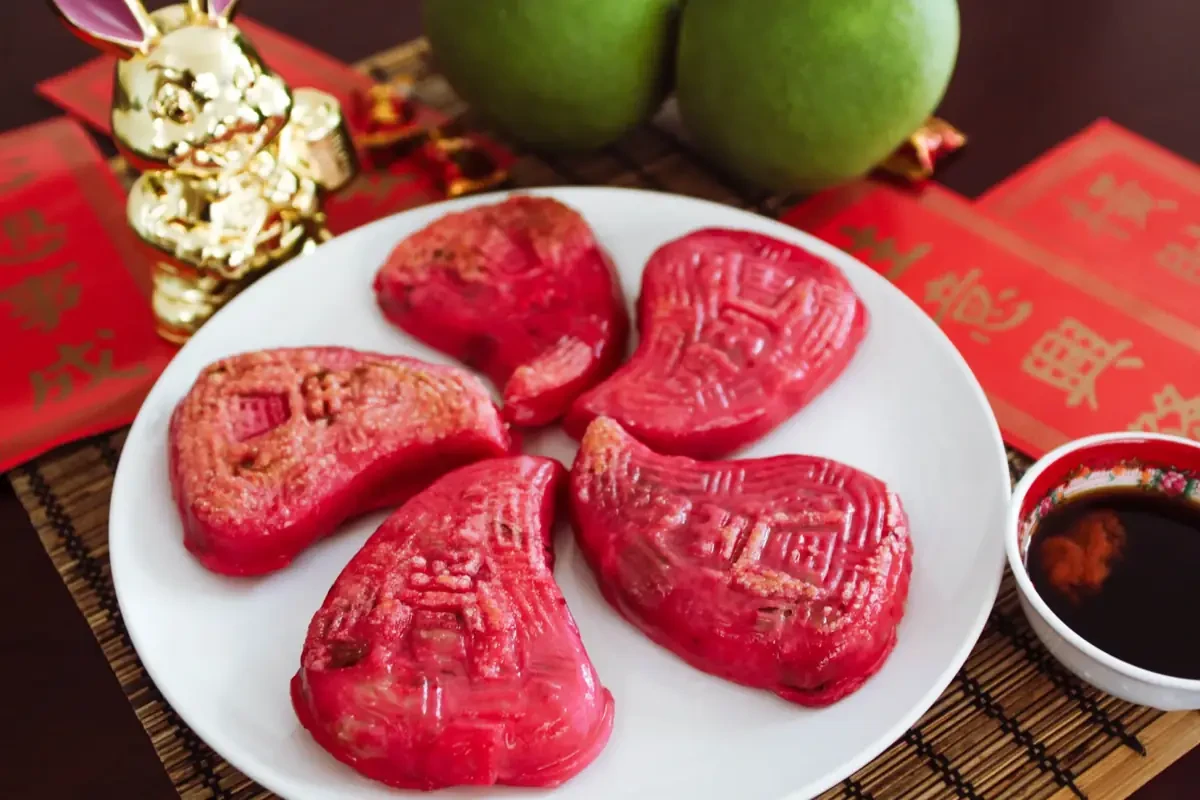
Red Peach Kueh: made of steamed rice flour cake filled with glutinous rice, peanuts, and mushrooms
For a deeper dive, consider a multi‑day culinary course that takes you through the full spectrum of Chaozhou's festive cuisine. You will learn to make red peach kueh (红桃粿) and rat‑tail kueh (鼠曲粿), traditional festive pastries that require skill in both pastry‑making and filling preparation. You will visit a master of braised goose to learn the secrets of a century‑old marinade. And you will master Chaozhou's signature desserts, from candied taro to ginger sweet soup.
Leisure time: Stroll through Paifang Street, a pedestrian lane lined with memorial archways, and cross the Guangji Bridge, one of China's four great ancient bridges. Experience a Chaozhou tea ceremony accompanied by a performance of Chaozhou opera, a UNESCO‑recognized art form that tells stories of love, loyalty, and the sea. Or simply wander the ancient city's narrow lanes, where every corner reveals a new flavor waiting to be discovered.
How Into South China Makes It Possible
What sets Into South China apart is our deep local knowledge and exclusive access. We do not simply book hotels and transport. We open doors that would otherwise remain closed.
We connect you with the real masters. Many cooking experiences in Shunde, Meizhou, and Chaozhou are hidden in back alleys or unmarked buildings. We know where they are and who teaches there. We can arrange private sessions with instructors who rarely accept foreign students, from Shunde's master chefs to Meizhou's intangible cultural heritage inheritors.
We provide cultural bridge‑building. Our English‑speaking guides are not just translators; they are food enthusiasts who understand the philosophy, history, and etiquette of each culinary tradition. They will teach you the proper way to taste, the meaning behind each technique, and the stories that bring the food to life.
We handle all the logistics. From high‑speed rail tickets and private transportation to accommodation and meal arrangements, we take care of everything. Want to try authentic local cuisine after a cooking session? We will take you to the best local restaurants, not the tourist traps. Need help with visa arrangements under China's 240‑hour visa‑free transit policy? We will guide you through the process.
We customize your journey. Whether you are a dedicated food enthusiast seeking intensive training, a curious traveler wanting to understand Chinese culture through its most iconic art form, or simply someone who loves to eat, we design an itinerary that matches your interests, fitness level, and schedule.
Your Journey Awaits
Guangdong's culinary heritage is one of the world's great food traditions. By cooking it yourself, you will come to understand not just its flavors but its soul. You will leave with more than recipes; you will carry memories of markets, kitchens, and the warmth of the people who welcomed you into their culinary world.
Contact Into South China today. Let us craft your culinary journey, authentic, immersive, and unforgettable.
The kitchen is waiting. Are you ready to cook?
Client Review
"An unforgettable journey through South China's most breathtaking landscapes and cultural treasures. Every detail was perfectly arranged, from authentic local experiences to comfortable accommodations. Highly recommended for travelers seeking genuine immersion!"
Trip Highlights
- ✓
Authentic Local Experiences
Immerse yourself in daily life, culture, and traditions of South China
- ✓
Scenic Natural Wonders
Breathtaking landscapes from karst peaks to tropical beaches
- ✓
Culinary Discoveries
Taste regional specialties and authentic local flavors
- ✓
Cultural Heritage Sites
Explore ancient temples, historic architecture, and UNESCO sites


