If you’ve ever hesitated when someone suggested acupuncture, cupping, or a herbal brew during your travels in China, you are not alone. For many foreign visitors, Traditional Chinese Medicine can feel mysterious, unscientific, or even a little intimidating. You might wonder: Is there any real evidence behind it? Can I trust it when I’m used to Western doctors? These are perfectly valid questions, and asking them is the sign of a smart traveler. Today, let’s have an honest conversation, no magical thinking, just a frank look at what TCM is, where it honestly falls short compared to Western medicine, and where it might surprise you. Then, we’ll take you to Guangzhou, a city where this ancient wisdom is alive, rigorous, and wonderfully accessible.
What TCM Admits and What It Offers Instead
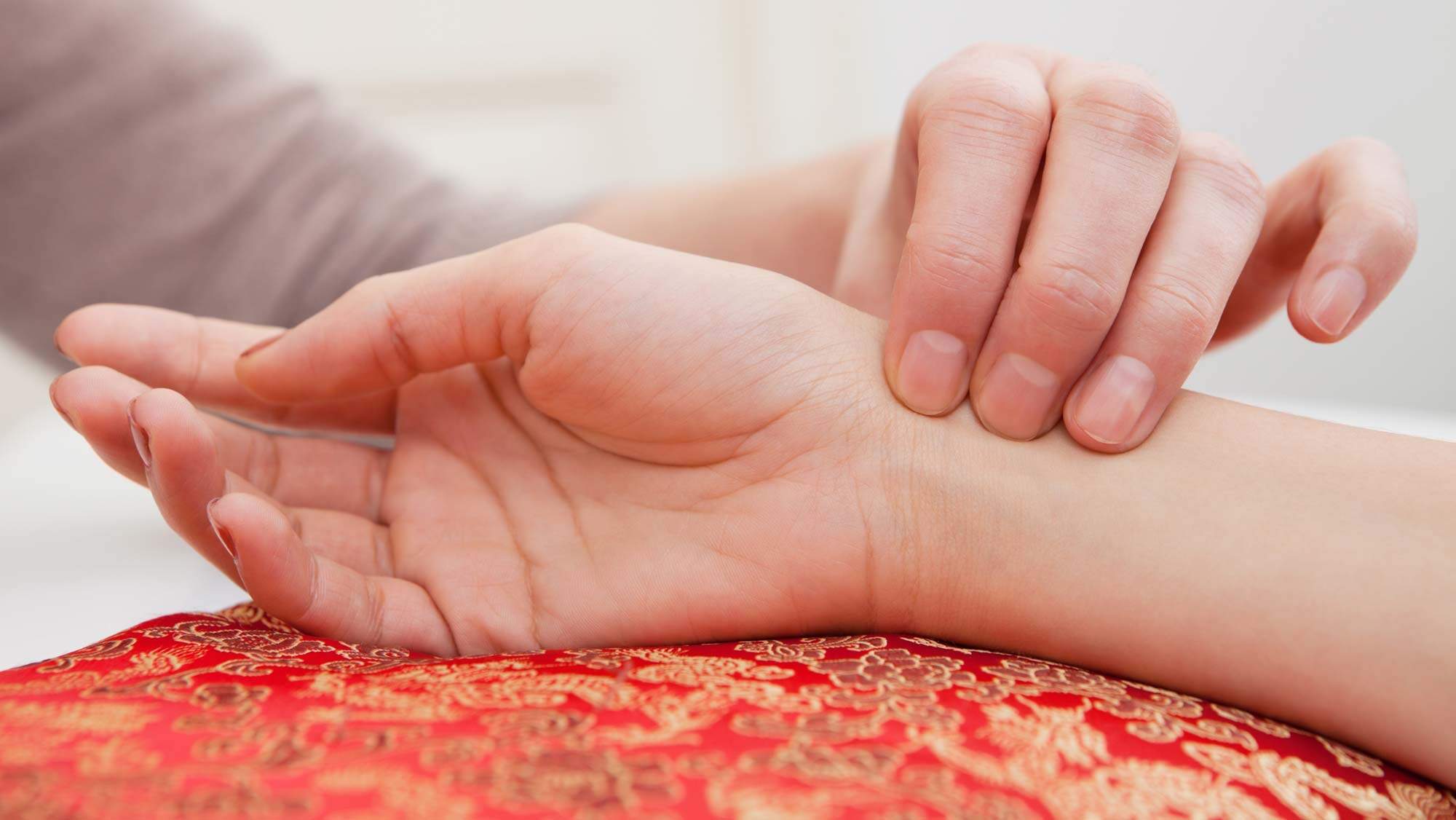
Traditional Chinese Medicine Pulse Diagnosis
Let’s start with the concessions. TCM openly acknowledges its weaknesses in areas where Western medicine shines. If you have a heart attack, a severe bacterial infection, a deep wound needing stitches, or require emergency surgery, a modern hospital with antibiotics, imaging, and surgical suites is your irreplaceable lifeline. TCM does not replace the need for vaccines, trauma care, or evidence-based cancer treatments. Its diagnosis, relying on pulse-taking, tongue observation, and subjective symptom patterns, lacks the lab-test precision and double-blind randomized controlled trials that Western medicine rightly demands. To some, this makes TCM seem stuck in the past.
But here’s what often gets lost: TCM isn’t trying to be a substitute for an ICU; it’s a different operating system for the body. Where Western medicine excels at fighting acute invaders and fixing structural breakdowns with heroic interventions, TCM views your body as a dynamic garden, not a machine. Its core principles, qi (vital energy flow), yin-yang balance, and the meridian network, are best understood as ancient bioenergetic models. Think of meridians as rivers feeding a landscape: a drought (deficiency) or a flood (stagnation) causes a cascade of problems downstream. Acupuncture, herbs, cupping, and massage are tools to coax the garden back to self-regulation. The strengths are real: personalized, holistic care; a focus on functional disorders and chronic conditions; impressive pain management; fewer side effects when correctly prescribed; and a deep emphasis on prevention, keeping you well before you ever get sick. For the persistent back pain, digestive trouble, stress-related insomnia, or lingering inflammation that Western tests sometimes label “normal,” TCM often has something meaningful to contribute.
Guangzhou: A Powerhouse of Trustworthy TCM
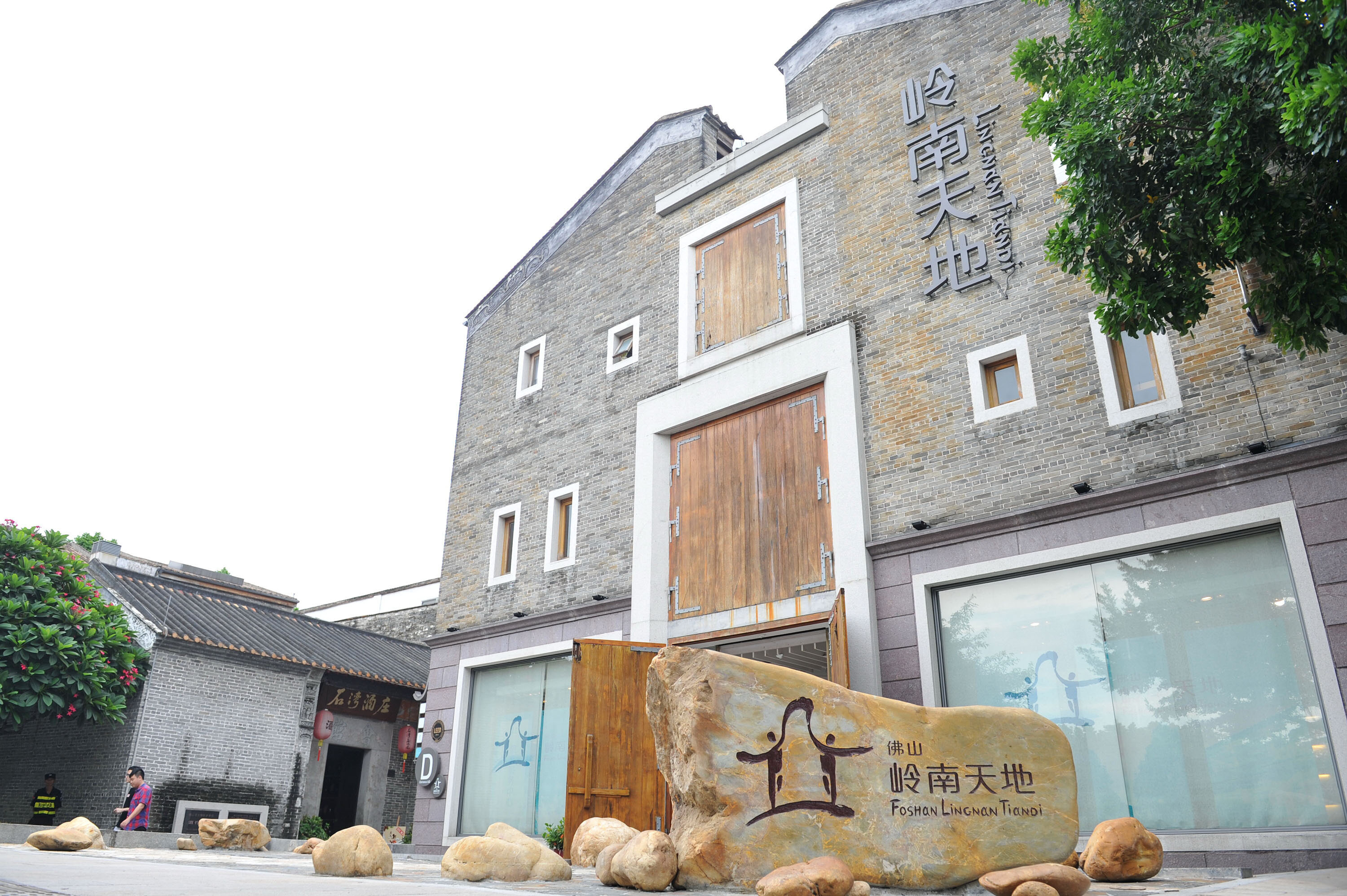
As the birthplace of Lingnan traditional medicine, Guangzhou boasts the densest cluster of public Grade A Tertiary TCM hospitals in South China, all equipped with bilingual medical services dedicated to overseas patients, completely different from informal street-side wellness shops.
Key verified Grade A Tertiary public TCM institutions open to foreign visitors:
Guangdong Provincial Hospital of Chinese Medicine (the most comprehensive TCM general hospital in South China)
The First Affiliated Hospital of Guangzhou University of Chinese Medicine
The Third Affiliated Hospital of Guangzhou University of Chinese Medicine (specialised in orthopaedics, tuina, and travel sport injuries)
Guangzhou Hospital of Traditional Chinese Medicine (renowned for international outpatient acupuncture services)
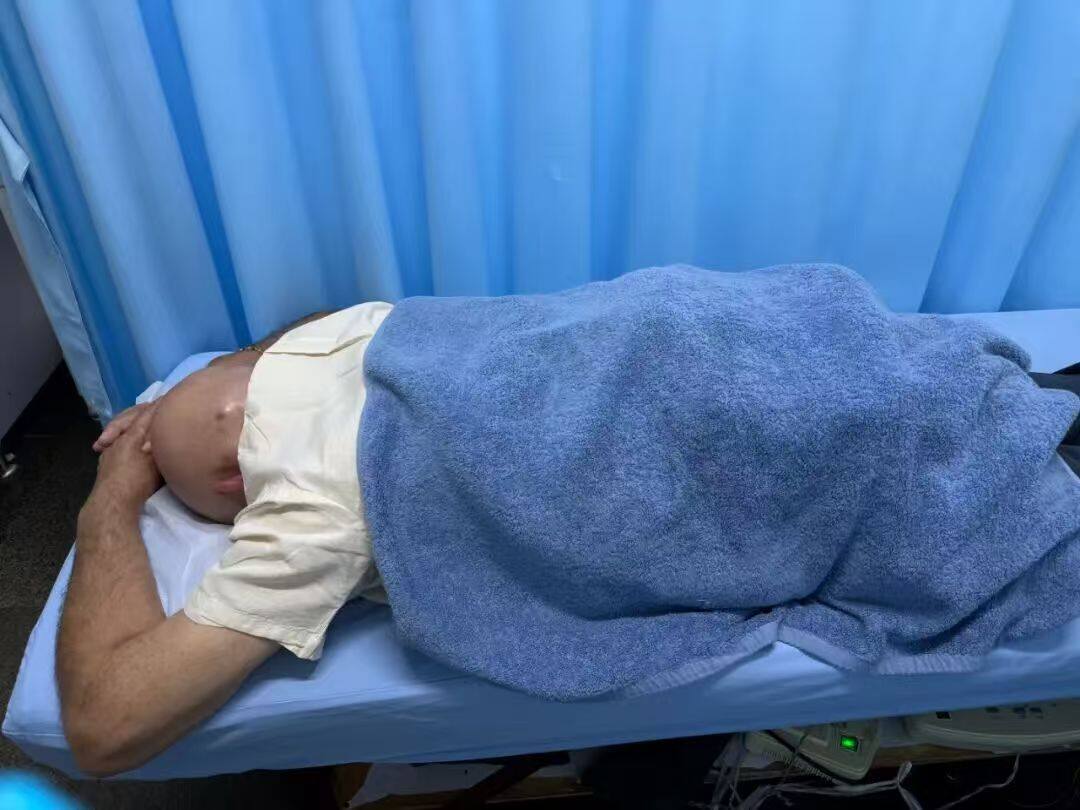
David, a 72-year-old British tourist (a pseudonym), is receiving TCM treatment in Guangzhou
Let’s look at a true, documented case that addresses a traveler’s worst fear, getting injured far from home. David, a 72-year-old British tourist (a pseudonym used in media reports), was visiting Guangzhou when he suddenly sprained his lumbar region, leaving him in severe pain and barely able to move. A lumbar sprain at his age could have spiraled into a ruined trip and a difficult flight home. He was taken to the Third Affiliated Hospital of Guangzhou University of Chinese Medicine. There, instead of a one-size-fits-all protocol, he received a tailored combination of acupuncture to unblock qi and release muscle spasm, expert TCM manual therapy (bone-setting massage) to realign the soft tissues, and cupping to draw out local blood stasis. Within a few days, David was back on his feet, pain dramatically reduced, deeply impressed by a medical approach he had never experienced before. He completed his holiday and returned home with a remarkable story, not a back brace. You can verify David’s experience in the real news report; the link is at the end of this article.
David’s case isn’t an anomaly; it’s exactly the kind of acute musculoskeletal problem that TCM, practiced in a top-tier hospital with full diagnostic imaging backing, handles extremely well.
Come Experience It Yourself, Far Beyond a Doctor’s Visit
The best way to move from doubt to understanding is to feel the effect yourself, in a safe, curated setting. Guangzhou invites you to do much more than sit in a clinic chair. You can experience acupuncture’s subtle release, feel the deep, strangely relieving pull of fire cupping, or try gua sha scraping that leaves temporary redness but lasting muscle relief, all under the care of licensed physicians in accredited hospitals or professional wellness centers.
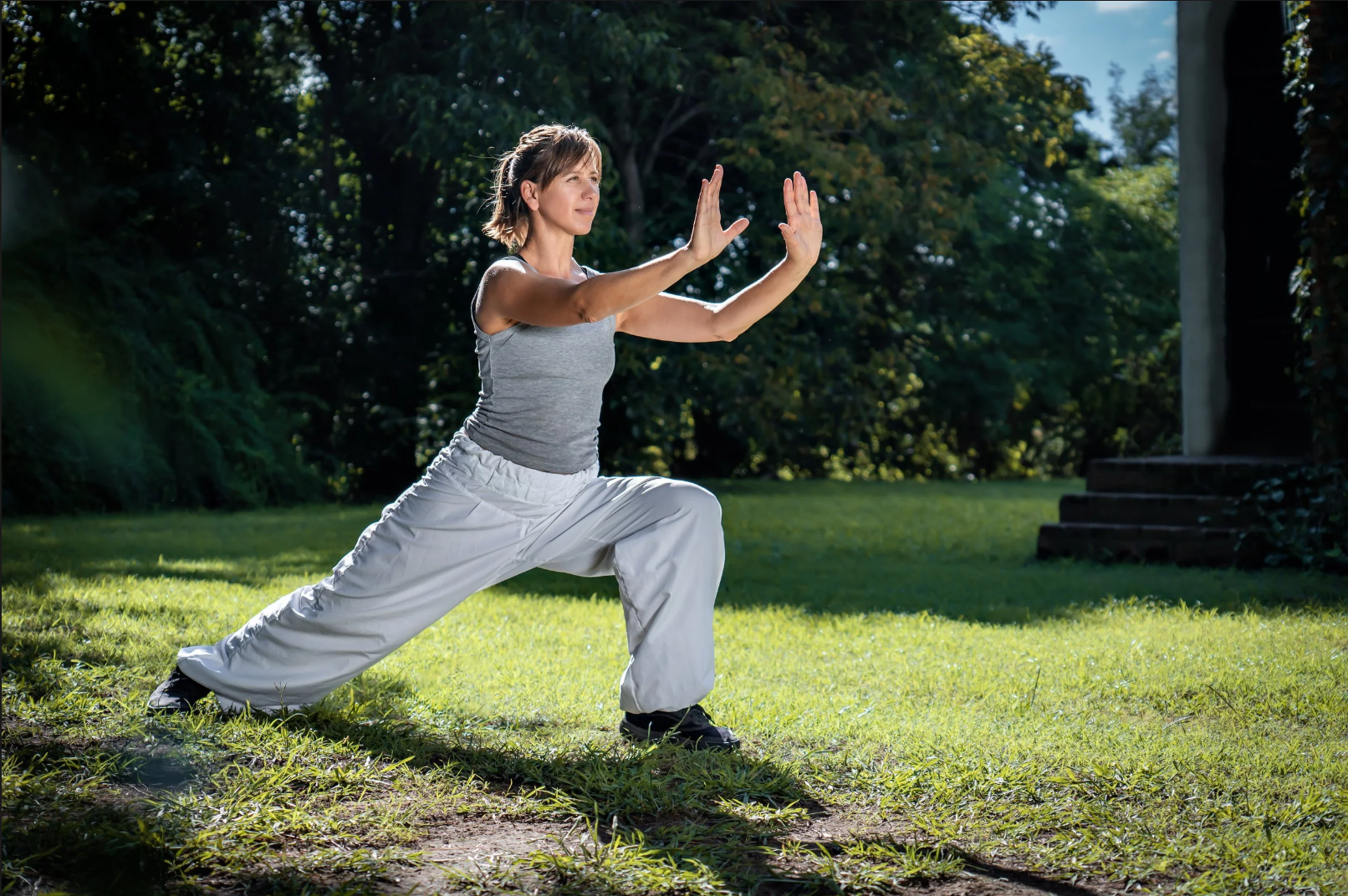
A woman is doing Tai Chi exercise in a natural environment
But TCM is also a living culture, and you can literally touch it. Sit down in a fragrant herbal workshop and make your own Chinese medicine sachet, blending dried mugwort, lavender, and aromatic roots to carry a piece of the pharmacy back home. Join a riverside morning session and learn Baduanjin (Eight-Section Brocade) or Tai Chi from local masters; these flowing, slow-motion exercises are essentially moving prescriptions that TCM doctors still give for vitality and joint health. You’ll discover that TCM isn’t merely something you take, it’s something you do.
To unlock these experiences seamlessly, trust Into South China, your dedicated inbound travel partner in South China. We specialise in deep, authentic cultural immersion, and we take care of everything with English-speaking support: a wellness consultation or treatment at a top TCM hospital, a hands-on herbal sachet-making workshop, a private Tai Chi session by the Pearl River, and fully curated health-themed itineraries that connect you with trusted practitioners. Let us turn what might feel like an intimidating leap into a comfortable, eye-opening journey.
Come With an Open Mind
TCM doesn’t need you to abandon your faith in modern medicine; it only asks for an open mind and a willingness to experience its complementary gifts. Guangzhou, with its world-class TCM hospitals and vibrant wellness culture, is the ideal place to give it a try. You might arrive with a skeptical eyebrow raised, but like David, the 72-year-old backpacker, you could leave walking lighter, and with a profound new appreciation for a medical tradition that has cared for billions over millennia. Your body, after all, might understand the language of qi before your mind does.